Get Inspired by FHIR Clinical Decision Support Transforming Digital Healthcare in the USA

The American healthcare system stands at a fascinating crossroads, where technology promises to reshape patient care. Imagine a world where doctors have instant access to the most relevant information, tailored precisely to each patient’s needs, right at the point of care. This isn’t science fiction; it’s the potential of digital health, specifically powered by FHIR clinical decision support. What is driving this revolution?

Understanding FHIR and Its Role

First, let’s decode the acronym. FHIR, or Fast Healthcare Interoperability Resources, is a standard for exchanging healthcare information electronically. Think of it as a universal translator for medical data. It allows different systems, from electronic health records (EHRs) to mobile apps, to “talk” to each other seamlessly. Why is this so vital? Because healthcare data often lives in silos, making it difficult for providers to get a complete picture of a patient’s health.

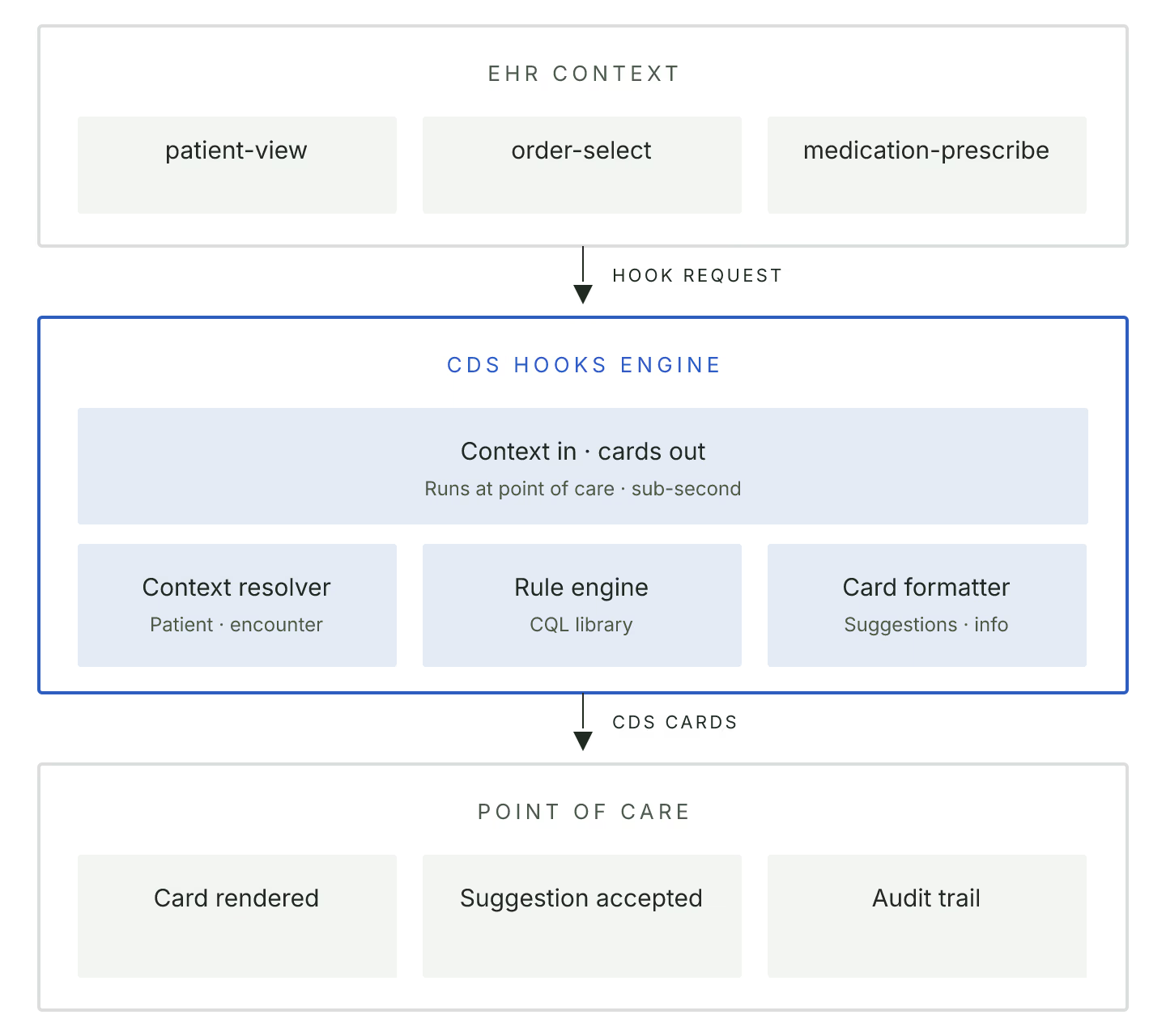
Now, let’s add ‘clinical decision support’ into the mix. These systems are designed to aid healthcare professionals in making informed decisions about patient care. They can provide reminders for preventative screenings, suggest appropriate diagnoses, recommend treatments, and even alert doctors to potential drug interactions. Imagine the power of having an intelligent assistant that sifts through mountains of data to highlight the most critical information. It sounds pretty powerful, doesn’t it?

The Impact of FHIR-Based Decision Support in the USA

So, how is FHIR clinical decision support actually changing things in the United States? The answer lies in its ability to improve several key aspects of healthcare.

  • Enhanced Quality of Care – By providing timely and accurate information, these systems help reduce medical errors and ensure that patients receive the most appropriate treatment. For example, a FHIR-enabled system could flag a potential allergy when a doctor is prescribing medication, preventing a harmful reaction.

  • Improved Efficiency – Healthcare professionals spend a significant amount of time searching for information. FHIR streamlines data access, allowing them to focus on what matters most, the patient. When providers don’t have to spend so much time hunting down facts, they can see more patients and provide more personalized care.

  • Reduced Costs – Believe it or not, better information can also lead to lower costs. By preventing unnecessary tests, hospital readmissions, and adverse events, FHIR-based decision support systems contribute to a more efficient and economical healthcare system.

  • Empowered Patients – FHIR facilitates the development of patient-facing apps and portals that give individuals more control over their health information. Patients can access their records, track their progress, and communicate with their providers more easily. This increased engagement leads to better health outcomes.

Real-World Examples of FHIR in Action

The true potential of FHIR clinical decision support becomes clear when looking at specific applications.

  • Chronic Disease Management – For patients with chronic conditions like diabetes or heart disease, FHIR-enabled apps can monitor their vital signs, provide personalized advice, and even alert their doctors if something is amiss. This proactive approach can help prevent complications and improve quality of life.

  • Medication Management – FHIR streamlines the process of medication reconciliation, which involves ensuring that a patient is taking the correct medications and that there are no potential drug interactions. This is particularly important for older adults who may be taking multiple medications.

  • Public Health Reporting – FHIR simplifies the process of reporting infectious diseases to public health agencies. This allows for faster detection and response to outbreaks, protecting communities from widespread illness.

Overcoming Challenges and Looking Ahead

While the future of FHIR clinical decision support looks bright, challenges remain. Interoperability is still a work in progress, and there are concerns about data privacy and security. However, ongoing efforts to address these issues are paving the way for even wider adoption of FHIR in the years to come.

In the USA, significant investments are being made in FHIR infrastructure and training. Healthcare providers are increasingly recognizing the value of these systems, and patients are demanding more digital tools to manage their health. With continued collaboration and innovation, FHIR has the power to transform healthcare in America, making it more efficient, effective, and patient-centered. We can anticipate even greater enhancements as FHIR implementations mature and expand, including FHIR clinical decision support systems.

Will FHIR really change everything? The answer is likely yes, if implementation continues at the current rate, paving the way for a more connected, informed, and ultimately healthier nation.