

FHIR DevDays and connectathon presentations are one of the few public sources of real production scaling numbers. Vendors talk about the peak RPS their platform handled at a specific customer, the workload mix that drove it, and the...
Digital forms for healthcare revolutionize data capture. Build agile, interoperable systems with our FHIR-powered platform.
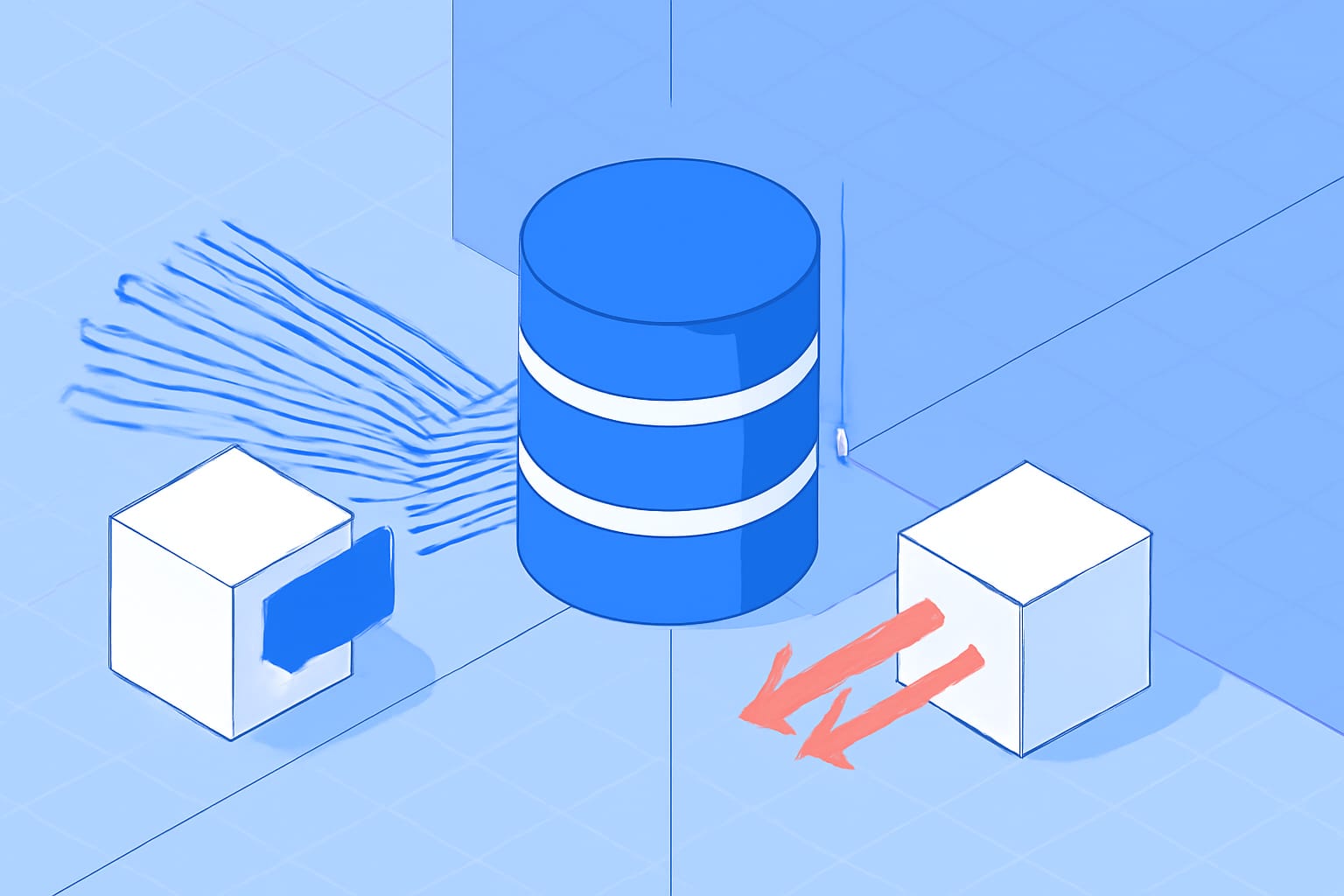
When RPS Estimates Lie: The Cost of Chatty FHIR Clients
The RPS estimate on the sizing spreadsheet is only as good as the client behavior that fills it. When the same workflow is served by a well-designed client that fetches everything it needs in three calls, the sizing holds. When the...

Planning Read/Write Ratio for a Mixed FHIR Workload
Mixed FHIR workloads are the rule in US healthcare integrations. The same deployment carries chart review, order entry, ingestion feeds, and analytics extracts on the same hardware. Each of those has a different read/write ratio, and the...
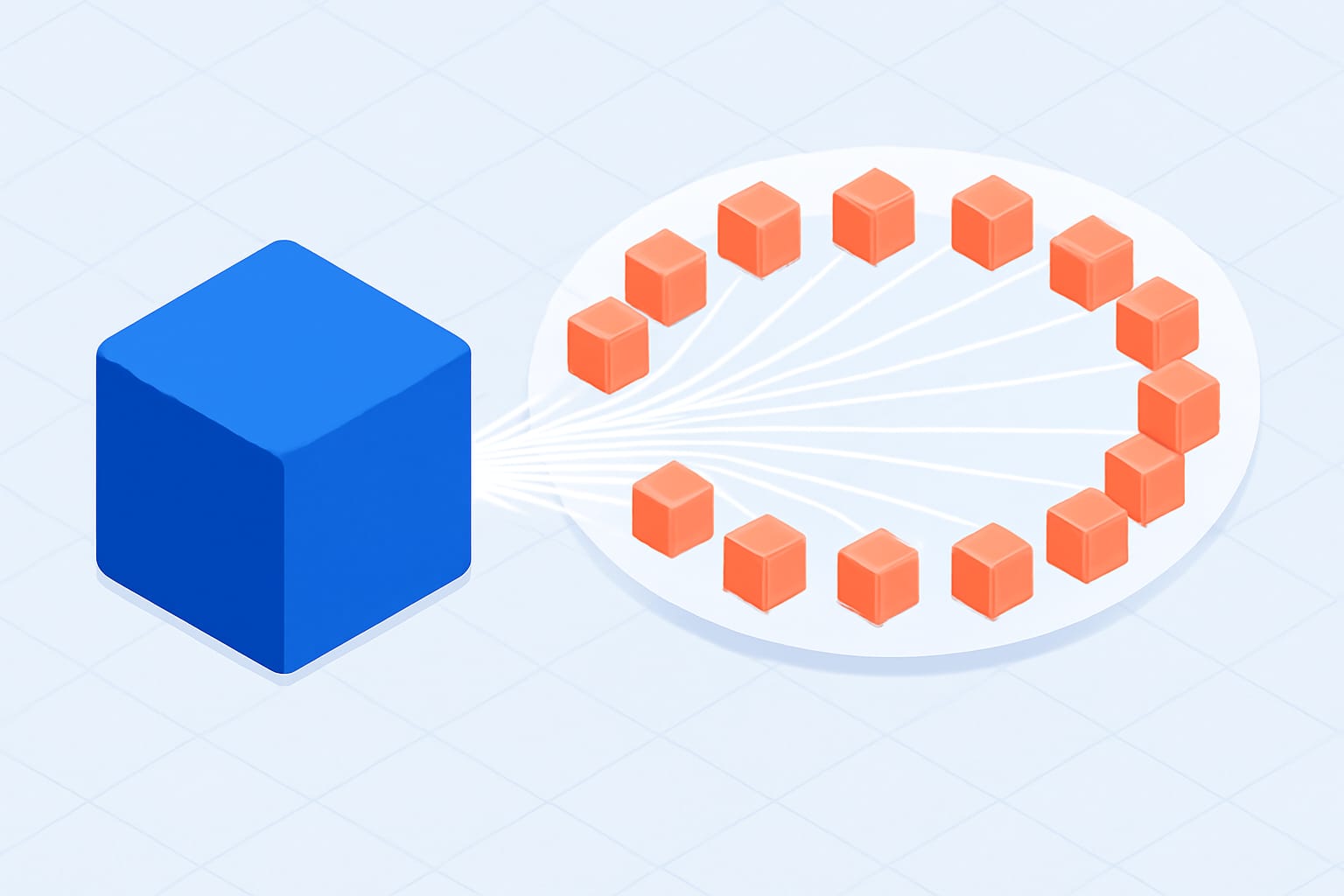
How Batch Endpoints Inflate Your Effective FHIR RPS Budget
Batch endpoints look like a gift to the sizing engineer at first glance. One HTTP request that carries fifty resources means one hit on the front door, one authentication check, and one entry in the request log. In the sizing spreadsheet...
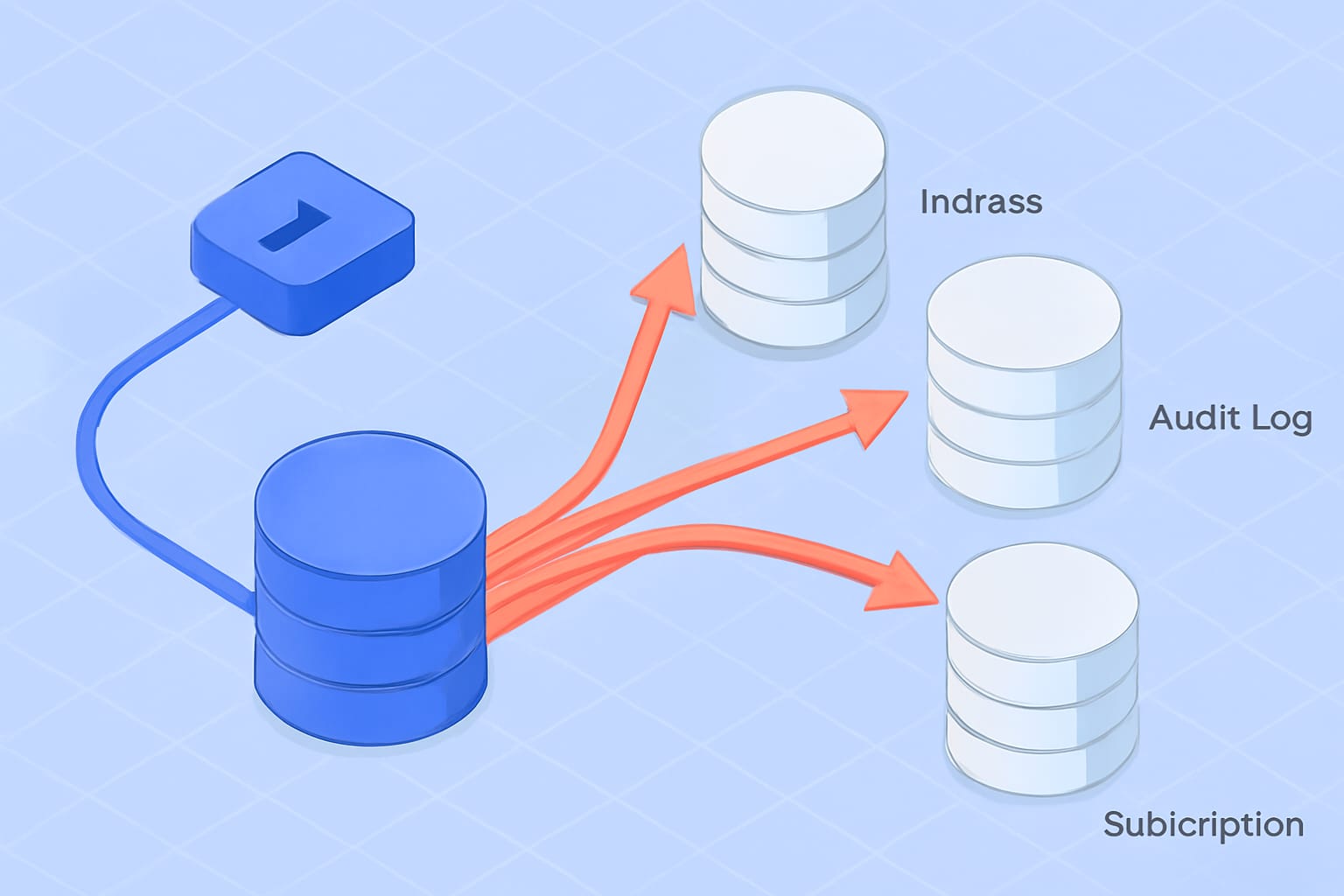
Why FHIR Write RPS Is Not the Same as Read RPS
Capacity plans that treat FHIR writes and reads as one throughput budget almost always under-provision the write side. The two operations look similar on the wire: an HTTP request in, an HTTP response out. The database work behind them is...

Top 7 Probabilistic Patient-Matching Libraries for FHIR Stacks
Probabilistic patient matching is the engine room of every working MPI. Deterministic matching (exact match on a strong identifier) handles the easy cases; probabilistic matching handles the rest, which is most of them. The library you pick

The Numbers You Actually Need to Estimate FHIR Read RPS
Read RPS estimates for a FHIR API tend to arrive dressed as a single confident number. In practice the honest estimate is a product of a small set of inputs, and knowing which inputs matter is the difference between a sizing exercise that...

Sizing a FHIR API Before You Know the Final Load Pattern
Every FHIR API sizing exercise runs into the same wall in the first week: nobody actually knows what production traffic will look like yet. The workflows are half-designed, the integration partners have not signed off on their access...
Throughput sizing
Sizing an early FHIR deployment? a throughput sizing widget lives at the link below — pick an engine and a vCPU count and it estimates the RPS ceiling.

Top 5 SDC Form Builders for FHIR-Native EHRs
A FHIR-native EHR is a different procurement target than a FHIR-on-the-edge EHR. The clinical data lives in FHIR resources natively, the query layer speaks FHIR REST without translation, and a form builder that fits the architecture treats
- Older Posts
- 1
- 2
- 3
- 4
- …
- 6
- Newer Posts