Breaking New Ground in Digital Health Care with FHIR Subscriptions for Improved Patient Engagement

The landscape of healthcare in the USA is undergoing a monumental shift, fueled by technological innovation and a growing demand for patient-centric care. One of the most promising advancements driving this transformation is the implementation of FHIR Subscriptions. But what exactly are they, and how are they revolutionizing the way patients interact with their health information?

Understanding FHIR and Its Role

Before diving into FHIR Subscriptions, it’s crucial to understand FHIR itself. FHIR, or Fast Healthcare Interoperability Resources, is a standard designed to facilitate the exchange of electronic health information. Think of it as a universal language that allows different healthcare systems to “talk” to each other seamlessly. Why is this so important? Because historically, healthcare data has been siloed, trapped within proprietary systems that couldn’t communicate effectively. FHIR breaks down these barriers, enabling a more fluid and integrated healthcare experience.

This interoperability is not just about convenience; it’s about better patient care. When doctors can easily access a patient’s complete medical history, regardless of where they received treatment, they can make more informed decisions, avoid redundant tests, and ultimately provide more effective care. FHIR lays the groundwork for a more connected and coordinated healthcare system.

The Power of FHIR Subscriptions

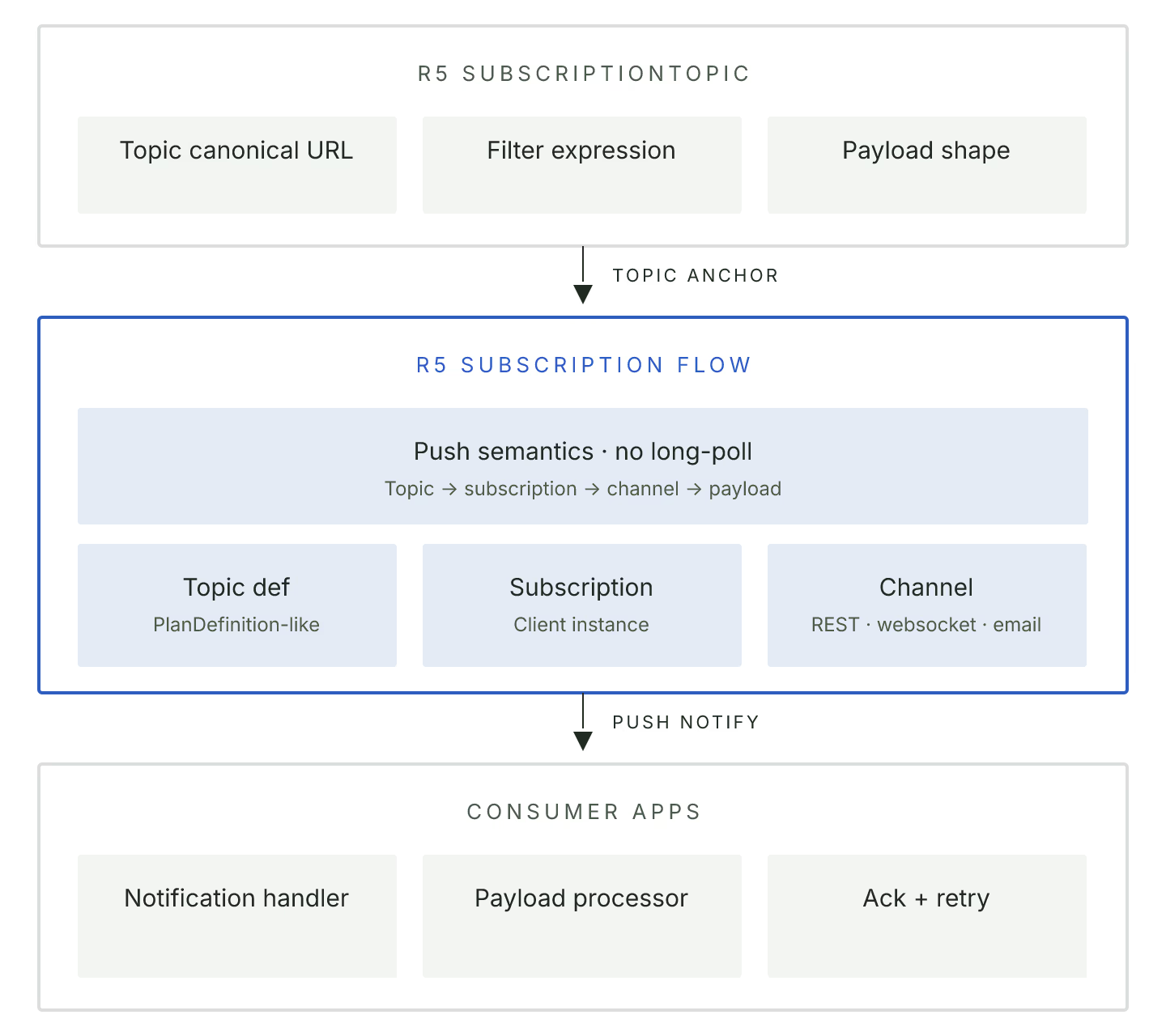
Now, let’s introduce FHIR Subscriptions. Imagine a world where you receive timely updates about your health information directly on your smartphone or preferred device. That’s the power of FHIR Subscriptions. They allow patients and providers to “subscribe” to specific types of health information and receive notifications whenever that information is updated.

How does it work? Think of it like subscribing to your favorite YouTube channel. Whenever the channel uploads a new video, you receive a notification. Similarly, with FHIR Subscriptions, when a new lab result is available, a medication is prescribed, or a doctor’s note is added to your record, you can receive an instant alert.

This proactive approach to information sharing has several key advantages. First, it empowers patients to be more involved in their own care. By receiving timely updates, they can stay informed about their health status and proactively manage their conditions. Second, it improves communication between patients and providers. Patients can ask questions about their health information as soon as it becomes available, leading to more productive and informed conversations. Finally, it can reduce the risk of errors and omissions. By ensuring that everyone is on the same page, FHIR Subscriptions help to prevent misunderstandings and ensure that patients receive the right care at the right time.

Benefits for Patients and Providers

The advantages of using FHIR Subscriptions extend to both patients and healthcare providers, creating a more efficient and effective healthcare ecosystem.

For patients, the benefits are clear. They gain greater control over their health information, receive timely updates, and can communicate more effectively with their providers. This can lead to better health outcomes, increased satisfaction, and a stronger sense of empowerment.

For providers, FHIR Subscriptions streamline workflows, improve communication, and reduce administrative burden. By automating the process of sharing health information, they can focus on providing direct patient care. Furthermore, access to up-to-date patient information enables them to make more informed decisions and deliver more personalized care.

Addressing Challenges and Looking Ahead

While the promise of FHIR Subscriptions is undeniable, there are challenges to overcome before they can be fully implemented across the healthcare landscape. One key challenge is ensuring patient privacy and security. Robust security measures are essential to protect sensitive health information from unauthorized access. Another challenge is ensuring equitable access to technology. Not everyone has access to smartphones or reliable internet connections, so it’s important to develop solutions that are accessible to all patients, regardless of their socioeconomic status.

Despite these challenges, the future of digital healthcare in the USA looks bright, largely thanks to the implementation of FHIR Subscriptions. As technology continues to evolve and healthcare systems become more interconnected, we can expect to see even more innovative applications of FHIR that improve patient engagement and transform the way healthcare is delivered. The move towards embracing FHIR Subscriptions is a vital step in creating a more patient-centered, accessible, and efficient healthcare system for all. The evolution of FHIR Subscriptions is also helping move healthcare into the modern digital era, with all the associated benefits.